
Last updated on March 6th, 2026 at 06:17 pm
If you’re new to crypto, this 6-step guide shows you how to buy crypto as a beginner.
Beginners I know are always scared of buying crypto for the first time. They don’t want anything that makes them lose money.
Yes, their fears are valid because I felt the same way in 2016 when I bought my first crypto.
In this step-by-step guide, I will walkthrough how to buy your first crypto confidently ith fear of losing your money.
Here’s what you are about to learn:
- What cryptocurrency really is.
- How to pick the safest exchanges.
- How to pass identity verification (KYC) without stress
- How to fund your account the smart way.
- How to make your first crypto purchase carefully.
- How to move your crypto safely to your own wallet.
Every step will be explained simply, with real beginner mistakes to avoid along the way.
Also, if you want the full roadmap for success beyond buying, make sure to check The Ultimate Beginner’s Guide to Cryptocurrency in 2025 when you are done here.
Now let’s dive into your first step: understanding what you are about to invest in cryptocurrency itself.
First, before buying anything, you must know exactly what you are buying. Let’s break it down together, no jargon, just the real essentials you need to make smart decisions.
Step 1: Understand What Cryptocurrency Really Is
Before you spend a single dollar (or any local currency), you need to know what you are actually buying.
This is where most beginners skip, and it leads to confusion later.
Let’s break it down simply.
What Is Cryptocurrency?

Cryptocurrency is digital money, but with a twist:
- It is not printed like dollars or euros.
- It is not controlled by banks or governments.
- It runs on a technology called the blockchain, a public, unchangeable digital record.
You can send it, spend it, save it, or invest it without needing permission from anyone.
Think of it like this:
If traditional money is like riding a train on government-owned tracks, cryptocurrency is like driving your own car on roads built by everyone together.
Examples of Cryptocurrencies Beginners Usually Start With
| Cryptocurrency | What It’s Known For |
| Bitcoin (BTC) | The original, store of value (“digital gold”) |
| Ethereum (ETH) | Smart contracts, apps, NFTs |
| USDT / USDC | Stablecoins tied to the U.S. dollar (less volatile) |
Why Are So Many People Buying Crypto in 2026?
- Inflation Protection: In some countries, crypto protects savings when local money loses value.
- Global Access: You can send money to anyone, anywhere, instantly, no banks needed.
- Investment Potential: Bitcoin ETFs and increasing adoption in 2025 have brought mainstream investors into crypto.
- Ownership and Control: Crypto puts you in charge of your money.
But… Be Aware of the Risks
Crypto is exciting, but it’s not magic.
- Volatility: Prices can swing up or down sharply.
- Security Risks: If you are careless with your wallet, you can lose everything.
- Scams: Fake websites, phishing apps, and shady projects exist.
As of 2025, over 420 million people worldwide own crypto according to Crypto.com Research, but beginner mistakes still cause millions of dollars in losses every year.
Now that you know what you are about to own, the next smart move is choosing a trusted place to buy it. Let’s walk through how to pick the safest exchange, without falling into traps.
Step 2: Choose a Safe, Beginner-Friendly Crypto Exchange
Now that you understand what cryptocurrency is, your next mission is finding a safe place to buy it.
This step matters more than most beginners realize.
Choosing the wrong exchange is like putting your life savings into a fake bank, it might disappear overnight.
Let’s make sure you get this right from day one.
What Is a Crypto Exchange?
A crypto exchange is an online platform where you can:
- Create an account.
- Deposit regular money (like dollars, euros, pounds, naira)
- Buy cryptocurrencies (like USDT, Bitcoin, Ethereum, and others)
- Sometimes store or trade crypto (but that’s for later).
Think of it like a crypto supermarket, but only use supermarkets that are licensed, secure, and beginner-friendly.
Top Beginner-Friendly Exchanges in 2025 (Trusted Globally)
| Exchange | Best For | Why Beginners Like It |
| Coinbase | Ease of use | Clean design, fast KYC, educational resources |
| Binance | Low fees, wide coin selection | Offers both basic and advanced buying options |
| Kraken | Top-notch security | Lower fees than Coinbase, strong reputation |
| OKX | Growing fast in 2025 | Mobile-friendly, expanding worldwide |
| Roqqu | Beginners | Beginner-friendly interface & naira option through P2P |
| Peyflex | Strictly for Nigerians | Simple interface, naira option |
These exchanges are trusted by millions worldwide and regulated in major regions.
Check out our detailed check on the Top 7 Crypto Exchanges for Beginners in 2025
Key Things to Check Before Choosing an Exchange
1. Security:
- Does the exchange store most funds in cold storage? (It should.)
- Does it offer 2FA (Two-Factor Authentication)?
2. Supported Countries and Currencies:
- Can you sign up from your country?
- Can you deposit using your local bank or card?
3. Payment Options:
- Debit/credit card
- Bank transfer
- P2P (peer-to-peer) marketplace if you need it
4. Fees:
- Buying fees
- Deposit and withdrawal fees
- Hidden spreads (price difference)
5. Customer Support:
- Is there live chat or real support, or just bots?
Avoid These Beginner Traps When Choosing an Exchange
- Random Telegram links: Never trust unknown links shared on WhatsApp, X (Twitter), or Telegram.
- New, unknown exchanges: If you have not heard about it, and it has no major reviews avoid it.
- Offers that sound “too good to be true”: 0% fees? Huge bonuses for signing up? Scam signals.
Once you choose a safe exchange, the next smart move is setting up your account properly, and protecting it like your online bank vault. Let’s walk through how to do that step-by-step.
Step 3: Set Up and Verify Your Account (KYC Made Easy)
After choosing a safe exchange, your next step is to create your account and pass verification (KYC).
This part might sound technical, but I promise, it is just a few simple clicks.
And it is essential for your security.
What Is KYC in Crypto?
KYC stands for Know Your Customer.
It is a legal process where crypto exchanges verify your identity by asking for:
- Your name.
- Your government-issued ID (like a passport or driver’s license).
- Sometimes a selfie for facial verification.
Think of it like opening a bank account, the exchange needs to confirm you are a real person to prevent fraud and protect the system.
Why Do You Have to Do KYC?
- Security: Keeps your account safe from impersonators.
- Compliance: Exchanges are required by law (especially in the U.S., EU, UK, Asia).
- Withdrawals: Without KYC, many platforms limit how much crypto you can withdraw.
Over 90% of regulated crypto exchanges globally now require KYC as reported by Coinlaw
How to Set Up Your Exchange Account Step-by-Step
Step 1:
Go to the official website of your chosen exchange (never a random link).
Example: Coinbase.com, Binance, Bitget, or Gate
Step 2:
Click Sign Up and enter:
- Your full name
- Your email address
- A strong, unique password (use a password manager if possible)
Step 3:
Verify your email address. (Check your inbox, click confirmation link.)
Step 4:
Go to Account Settings → Find Verification or KYC section.
Step 5:
Upload your government-issued ID:
- Passport, Driver’s License, or National ID Card.
- Take a clear photo (avoid shadows or blurry images).
Step 6:
Follow any selfie instructions:
- Good lighting
- No hats, sunglasses, or filters
Step 7:
Wait for approval.
- Most exchanges approve within 5 minutes to 1 hour.
- Some take up to 24 hours during high-demand periods.
KYC Pro Tips for Beginners
- Use real information: Must match your ID exactly (no nicknames).
- Good lighting = faster approval: Natural daylight works best.
- Have ID ready: Check if your passport or ID is valid (not expired).
What Happens If You Fail KYC?
Do not panic.
- Most platforms will let you resubmit better photos or correct mistakes.
- If your country is restricted (rare), choose a different global exchange.
Completing KYC is not just a formality, it is a major step toward becoming a fully independent crypto user.
It proves you are serious about securing your future in crypto.
Be proud of it.
Now that your account is set up and verified, the next exciting step is funding it, getting your money ready to buy your first cryptocurrency safely. Let’s cover that smartly.
Step 4: Fund Your Account Securely (Without Losing Money on Fees)
You now have a verified crypto account, but there’s one more smart move before you buy your first Bitcoin or Ethereum:
You need to fund your exchange account safely and wisely.
Here’s exactly how to do it without falling into beginner fee traps.
How to Fund Your Crypto Exchange Account
Step 1: Log in to your verified crypto exchange account.
Step 2: Look for a button that says “Deposit” or “Add Funds.”
Step 3: Choose your payment method (we will discuss them below).
Step 4: Follow the prompts to complete your deposit.
Important: Always double-check that you are depositing into your correct fiat wallet (USD, EUR, GBP, etc.).
If you stay in a country like Nigeria where you can’t fund naira directly on most crypto exchanges, you need to buy USDT first from Crypto platforms that accept buying crypto with naira using P2P methods.
Most popular platforms where you can buy crypto with naira are Peyflex and Roqqu.
We recommend Peyflex for beginners because it is very easy to use and you buy directly from the platform without P2P.
When you buy USDT from Peyflex for instance, it is sent to the
Common Payment Methods for Buying Crypto in 2025
| Payment Method | Pros | Cons |
| Debit/Credit Card | Fast, convenient | Higher fees (1.5%–4% average) |
| Bank Transfer | Lower fees, larger amounts | Takes 1–3 business days sometimes |
| Apple Pay / Google Pay | Instant deposit on mobile apps | Higher processing fees (1%–3%) |
| P2P Marketplace | Flexible local options, low fees | Requires careful buyer/seller checks |
Which Funding Option Should You Use as a Beginner?
- Small First Purchase (e.g., $20–$100):
Debit/Credit card is fine, speed matters more than small fees when starting. - Larger Amounts ($500+):
Bank transfer is better, lower fees mean you keep more of your money.
Hidden Fee Traps Beginners Miss
Exchange Rate Spread:
- Sometimes platforms show “0% deposit fee” but secretly offer a worse crypto price.
Third-Party Payment Fees:
- Some exchanges charge extra if you use a partner gateway (MoonPay, Simplex, etc.).
Withdrawal Limits Before KYC Complete:
- If you skipped full KYC, you might not be able to move your crypto out later.
To avoid these issues, make sure you always:
- Compare total cost (crypto price + deposit fee) before confirming.
- Read the payment screen carefully, especially if using cards.
When I bought my very first Bitcoin in 2017, I used a credit card.
I paid a 3% fee, but I got instant access, learned the process, and gained confidence.
Lesson:
It’s okay to pay a small premium for speed when you are starting small, the experience you gain is worth it.
Later, as your knowledge grows, you can optimize for lower fees.
Stat to Remember
In 2024, the average crypto card deposit fee globally was 2.1% (Statista Crypto Finance Report).
Knowing this upfront prevents frustration later!
“Now that your account is funded, you are finally ready for the exciting part: buying your very first cryptocurrency. Let’s walk through exactly how to do it step-by-step, the smart beginner way.”
Step 5: Make Your First Cryptocurrency Purchase (Carefully and Confidently)
Now you have everything set:
A safe exchange account.
Verified identity (KYC complete).
Funds sitting ready to use.
Now it is time to officially buy your first cryptocurrency!
This is where your crypto journey truly begins, so let’s do it carefully and confidently.
Which Cryptocurrencies Should Beginners Start With?
As a beginner, stick with safe, trusted coins first.
Top Beginner-Friendly Options in 2026:
| Coin | Why Start Here? |
| Bitcoin (BTC) | The original, most trusted digital asset |
| Ethereum (ETH) | Powers smart contracts, DeFi, NFTs |
| USDT/USDC | Stablecoins pegged to the dollar (great for practicing) |
These coins have high liquidity, global recognition, and lots of learning resources for beginners.
If you are unsure what coin to still as a beginner, learn more about altcoins in our detailed guide What Are Altcoins in 2026? A Beginner’s Guide to the Top Cryptocurrencies.
Step-by-Step: How to Buy Your First Cryptocurrency
Step 1:
Log in to your crypto exchange account (e.g., Coinbase, Binance, Kraken, or Roqqu ).
Step 2:
Click on Buy / Trade / Spot Trading depending on the platform.
Step 3:
Select the cryptocurrency you want to buy with its trading pair like BTC/USDT (e.g., Bitcoin).
Step 4:
Enter the amount you want to spend.
- Example: $50 worth of Bitcoin
- (Tip: You can buy fractional amounts, you don’t need to buy 1 full Bitcoin!)
Step 5:
Choose your payment method (the funds you added earlier).
Step 6:
Review the purchase screen:
- Check amount
- Check final fees
- Double-check you are buying the right coin
Step 7:
Click Confirm (sometimes called “Buy Now”).
Step 8:
Wait a few seconds, you should see your crypto balance appear in your exchange wallet!
Watch a video guide on how to buy crypto with Bitget exchange for those outside Nigeria.
Pro Tips for Your First Crypto Purchase
- Start Small:
Buy $10, $20, or $50 worth first, just to learn how it feels. - Check Fees:
Make sure you understand what you are paying. The exchange service fee, the network fee you pay and the withdrawal fees - Screenshot Transaction Details:
Keep a copy for your records (helpful if you need to contact support). - Don’t Panic at Small Price Changes:
Crypto prices move every second. Focus on learning first, not making instant profits.
When I bought my first Bitcoin, I only purchased $30 worth.
Within an hour, it dropped by 5%. I almost panicked!
But I remembered:
This first purchase isn’t about making money, it’s about learning how crypto works safely.
Today, that $30 experience is worth far more than any profit I could have made. It taught me how to be calm and smart in the crypto world.
Remember, crypto is long-term thinking.
Do not judge your success by the first day or even the first week.
Focus on learning, practicing safety, and building confidence.
Profits will follow patience.
If you are in Nigeria, where you can’t buy crypto directly on exchanges, watch how to buy USDT first with Peyflex and directly send it to any crypto exchange where you want to buy any crypto asset of your choice.
As soon as your exchange is funded with USDT, buy any coin.
Congratulations! You officially own crypto.
But owning it safely is the next critical move. Let’s now walk through how to secure your crypto properly because true ownership means true security.
Step 6: Secure Your Crypto After Buying (Protect It Like a Pro)
Buying crypto is exciting but owning it safely is what separates smart beginners from painful stories.
Here’s the truth:
If you leave your crypto sitting on an exchange long-term, you are trusting someone else with your money, and history shows that is dangerous.
FTX, QuadrigaCX, Mt. Gox… all major platforms that collapsed, costing users billions.
Lesson for you:
You are not truly a “crypto owner” until you move your funds into a wallet you control.
Let’s show you exactly how to do that.
What Is a Crypto Wallet Again?
- Hot Wallet = Online wallet app (Trust Wallet, MetaMask)
- Best for daily access, small amounts.
- Best for daily access, small amounts.
- Cold Wallet = Offline hardware device (Ledger, Trezor)
- Best for saving large amounts securely.
- Best for saving large amounts securely.
When Should Beginners Use a Wallet?
| Situation | Best Option |
| Holding <$500 worth of crypto | Start with a Hot Wallet (e.g., Trust Wallet) |
| Holding >$500 and planning long-term saving | Move to a Cold Wallet (e.g., Ledger Nano S Plus) |
Starting with a hot wallet is totally fine.
You can upgrade to cold storage later as your portfolio grows.
Learn more about the Best Crypto Wallets for Beginners: Top 2 To Store Your Crypto Assets in 2026
Step-by-Step: How to Move Your Crypto to a Personal Wallet
Step 1:
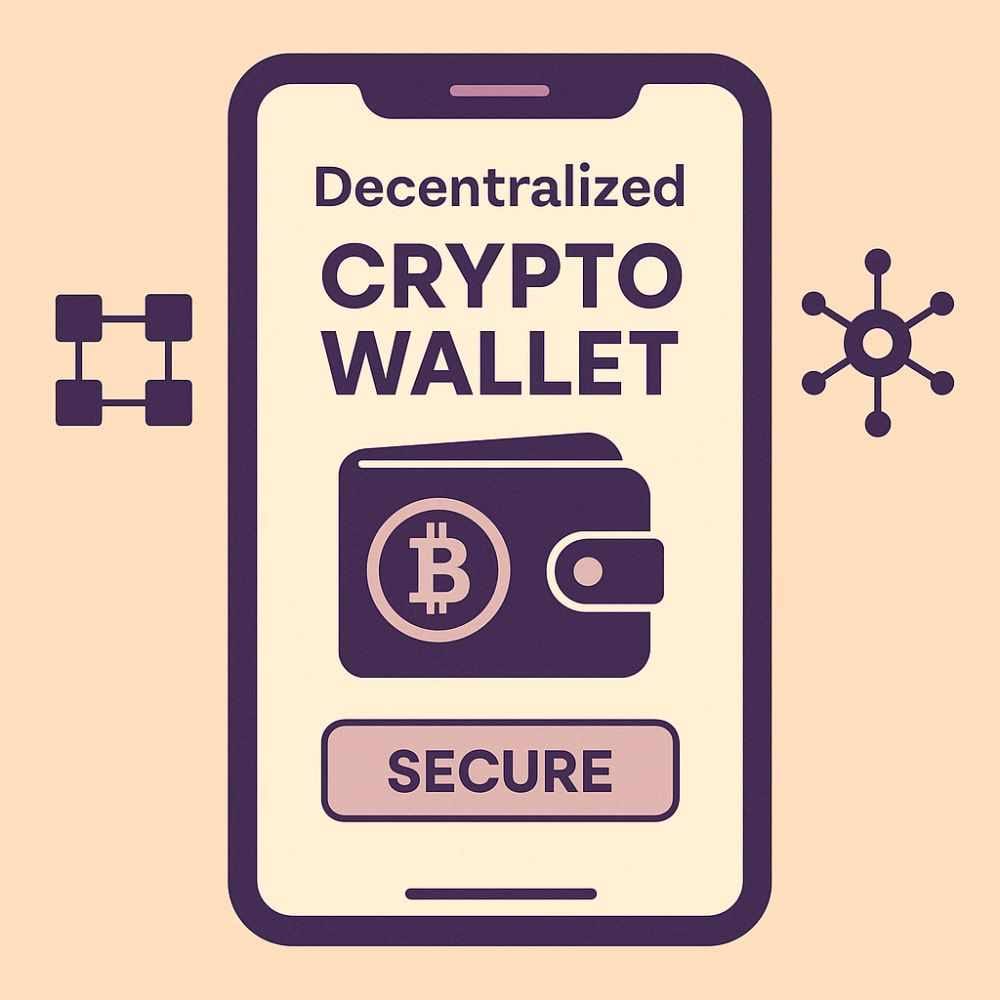
Download a trusted wallet app (Trust Wallet, Exodus, or MetaMask).
- Always from official sources (App Store, Google Play, or direct website).
Step 2:
Create a new wallet.
- Write down your 12–24 word seed phrase.
- Store it physically (paper, safe, not online).
Step 3:
Open your exchange app (Binance, Coinbase, Kraken).
Step 4:
Click Withdraw or Send crypto.
Step 5:
Paste your wallet’s received address carefully.
- Double-check the blockchain matches (e.g., Bitcoin to Bitcoin wallet).
Step 6:
Choose the amount to send and confirm.
Step 7:
Wait for blockchain confirmation (usually a few minutes).
Now your crypto is truly yours.
Safety Tips for Moving Your Crypto
- Send a small test transaction first (e.g., $5) before moving large amounts.
- Never rush. Double-check every character of your wallet address.
- Use 2FA (Two-Factor Authentication) on your exchange withdrawal settings.
- Save your seed phrase securely. No screenshotting, no texting it to yourself.
I once mistyped a wallet address by just one character.
Luckily, I caught it before confirming, but if I hadn’t, that money would have been lost forever.
Lesson: Always, always double-check wallet addresses before sending.
According to Chainalysis 2024, over $450 million in crypto was lost in 2024 alone due to simple withdrawal mistakes and phishing hacks.
Small habits = massive protection.
→ Download our Free Crypto Wallet Setup Checklist (PDF)
“Now that your crypto is finally safe in your own wallet, let’s cover a few final beginner mistakes to watch for, so you can avoid the common traps most newbies fall into.”
Common Beginner Mistakes to Avoid After Buying Crypto
You made it this far, you own your first crypto and have secured it.
That’s huge.
But there are a few common traps that even smart beginners fall into after buying.
Let’s walk through them now, so you can sidestep these landmines easily.
Mistake #1: Leaving Crypto on the Exchange Too Long
The Risk:
If the exchange gets hacked, freezes withdrawals, or shuts down, your funds are gone.
In 2022, when FTX collapsed, over $8 billion in customer funds were lost because users trusted the platform too much.
Solution:
After buying, always move your crypto into a personal wallet you control.
Mistake #2: Forgetting to Backup Your Wallet Seed Phrase
The Risk:
Lose your phone + lose your seed phrase = your crypto is unrecoverable forever.
Solution:
Immediately write down your seed phrase offline.
Make two copies. Store them separately (e.g., safe + secure backup spot).
Mistake #3: Falling for Phishing Emails or Fake Apps
The Risk:
Scammers create fake “Binance” or “Coinbase” apps that steal your login details or seed phrase.
Solution:
- Always double-check URLs.
- Download apps directly from the official website or trusted app stores.
Mistake #4: Rushing Large Purchases Without Understanding
The Risk:
Buying $1,000 worth of a random coin because it’s trending on Twitter often leads to regret.
Solution:
- Start small (e.g., $10–$100).
- Only scale up once you fully understand how crypto markets work.
Mistake #5: Not Enabling Security Features on Accounts
The Risk:
Without 2FA (Two-Factor Authentication), your account is an easy target for hackers.
Solution:
- Always enable 2FA immediately after creating your exchange account and wallet.
- Use authenticator apps (like Google Authenticator or Authy), not SMS-based 2FA if possible.
Frequently Asked Questions
Can I start buying cryptocurrency with just $10 or $20?
Yes!
Most trusted exchanges like Coinbase, Binance, and Kraken allow you to buy very small amounts, even $5 or $10 worth of Bitcoin or Ethereum.
You do not need to buy a full coin.
Start small. Focus on learning first.
Is it safe to use my debit or credit card to buy crypto?
Yes, as long as you are using a reputable exchange (like Coinbase, Binance, Kraken).
Just be aware that card purchases usually come with slightly higher fees (around 2%–4% globally).
Always double-check the final price including fees before confirming.
How long does it take for my crypto to arrive after buying?
If you use a debit/credit card: Instantly or within a few minutes.
If you use a bank transfer: 1–3 business days, depending on the country.
Always check your exchange’s deposit confirmation times.
What if my crypto price drops right after buying? Should I panic?
No, crypto prices are volatile day-to-day.
It’s normal for Bitcoin or Ethereum to rise or fall by 3–10% in a single day.
Think long-term. Focus on the skill of buying, securing, and learning, not instant profits.
Is it better to keep crypto in an exchange wallet or move it immediately?
Always safer to move it into your personal wallet after buying, especially if you plan to hold it long-term.
Remember: “Not your keys, not your coins.”
Can I buy crypto anonymously without doing KYC (identity verification)?
Rarely in 2026.
Most reputable exchanges require KYC now due to global regulations.
Doing KYC keeps you compliant and protects your rights to withdraw or recover your account if needed.
If you find this article helpful, then please subscribe to our YouTube Channel for crypto and Web3 video tutorials. You can also follow or join our active communities on Telegram, X (Formerly Twitter ) and Facebook.
Disclaimer
This article is for educational purposes only. It is not financial advice. Please consult a qualified financial advisor before making investment decisions.