
Last updated on March 6th, 2026 at 06:04 pm
Did You Buy Crypto? Here’s How to Keep It Safe!
I have always advised crypto beginners that the best way to store their crypto assets is to use a decentralized wallet and not exchanges.
I remember when I bought my first crypto back in 2016.
It was Bitcoin I bought with Luno exchange then. I left it there over the years.
I almost lost it because I couldn’t get access to my Auth key to unlock the exchange.
All my effort in securing that asset was almost a loss if not for their support team intervened after my endless support tickets I raised..
And trust me, you do not want your crypto journey to start with a painful lesson like that.
In crypto, your security is your responsibility.
But do not worry, you do not need to be a tech genius to protect your funds.
In this beginner’s guide, I will walk you through everything you need to know about crypto wallets in 2025.
You will learn:
- What a crypto wallet really is (it is not what most people think).
- The difference between hot wallets and cold wallets (and which one to use first).
- How to set up your first wallet safely, step-by-step.
- How to avoid beginner mistakes that cause most losses.
Plus, I will show you the safest beginner wallets you can start using today so you can store your crypto with peace of mind and focus on growing your investment wisely.
Let’s just begin.
Also, if you are just starting, make sure to check out The Ultimate Beginner’s Guide to Cryptocurrency in 2026 for a full crypto success roadmap.
What Is a Crypto Wallet?
When people first hear the word “wallet”, they often imagine a leather pouch stuffed with cash or credit cards.
In crypto, a wallet does not physically store coins.
Instead, it stores your private keys, the secret codes that prove ownership of your cryptocurrencies on the blockchain.
Without your private keys, you cannot access your crypto, move it, or even prove that you own it.
Here’s a simple way to think about it:
Imagine your crypto wallet as your bank PIN + account number, all rolled into one secure vault. Without it, your money is locked away forever.
Why Do You Need a Wallet?
- Security: If you leave your Bitcoin or Ethereum on an exchange, you are trusting the exchange to keep it safe.
But even big names like Mt. Gox (2014) and FTX (2022) collapsed, losing billions in user funds.
According to Chainalysis, crypto scams and exchange hacks caused close $51 billion and 40.9 billion received by illicit addresses in 2024 alone.
- Control: With your own wallet, you control your money, not a third party.
- Freedom: You can send, receive, and manage your crypto 24/7, anywhere in the world, without needing permission from banks or companies.
Hot Wallet vs Cold Wallet Basics
There are two main types of wallets you need to know:
| Type of Wallet | Main Feature | Best For |
| Hot Wallet | Connected to the internet | Daily use, quick access. |
| Cold Wallet | Fully offline storage | Long-term holding, maximum security |
→ We will dive deeper into hot wallets vs. cold wallets in the next sections, so you can easily choose which is right for you as a beginner.
Friendly Reminder:
You do not have to figure it all out today.
Start small, stay curious, and remember: your crypto wallet is your personal digital vault.
→ Also, learn how to safely buy your first crypto here: How to Buy Your First Crypto in 2026
2 Major Types of Crypto Wallets
1. Hot Wallets: Convenience Meets Accessibility
If you are brand new to crypto, there is a good chance your first wallet will be a hot wallet, and that is okay.
Hot wallets are popular because they are simple to set up, free to use, and give you instant access to your funds anytime you want.
But like anything connected to the internet, they come with a few important risks beginners must understand.
What Is a Hot Wallet?
A hot wallet is a crypto wallet that stays connected to the internet.
This connection makes it:
- Easy to send and receive crypto quickly
- Perfect for small, daily transactions
- Accessible from your phone, laptop, or browser
But it also means your wallet is exposed to online threats like hacking, phishing, or malware.
The Pros of Using a Hot Wallet
- Quick Setup
Most hot wallets take less than 5 minutes to install and activate. No special hardware needed.
- Easy Access
You can check your balance, swap coins, or send crypto from anywhere — as long as you have your phone or laptop.
- Free to Use
Most popular hot wallets are completely free to download and use, making them perfect for beginners starting small.
- Multi-Asset Support
You can usually store multiple cryptocurrencies (like Bitcoin, Ethereum, Solana, and more) all in one place.
The Cons of Using a Hot Wallet
- Vulnerable to Online Hacks
If your phone gets hacked, your wallet could be compromised.
According to Statista, crypto hacks and thefts accounted for more than $1.8 billion in direct losses in 2024, with many attacks targeting mobile and browser walletsDetailed Prompt Instruc….
- Phishing Risks
Fake apps, scam websites, or malware could trick you into giving up your wallet’s access codes (seed phrase). - Less Safe for Long-Term Holding
If you plan to invest heavily or hold crypto for years, a hot wallet may not offer enough protection by itself.
Top Hot Wallets for Beginners in 2026
Here are some trusted hot wallets I personally recommend after years of trying different options:
| Wallet | Best For | Features |
| Trust Wallet | Best Overall | Supports 70+ blockchains, built-in browser for dApps |
| MetaMask | Ethereum Lovers | Best for DeFi and NFT apps |
| Coinbase Wallet | Beginners | Simple design, integrates with Coinbase exchange |
| Exodus Wallet | User-Friendly Interface | Great for multi-asset management and staking rewards |
All of these are beginner-friendly, free, and have mobile and/or browser versions available.
When Should You Use a Hot Wallet?
Hot wallets are ideal when:
- You are just starting and testing crypto with small amounts
- You want to buy, sell, or swap crypto easily
- You need quick access to your funds for trading or spending
If you are planning to store a large amount of Bitcoin or Ethereum for the long term, you will want to eventually upgrade to a cold wallet (which we will cover next).
Helpful Tip: Always activate two-factor authentication (2FA) and create a strong, unique password when using a hot wallet.
These two simple steps block over 90% of basic account breaches, according to a 2024 cybersecurity report from Chainalysis.
→ Also learn about cold wallets for maximum protection: Cold Wallets for Beginners: Store Crypto Safely
2. Cold Wallets: Maximum Security for Your Crypto
If hot wallets are like keeping cash in your pocket, cold wallets are like putting your money into a safe, offline, locked, and unreachable to online thieves.
For beginners planning to hold crypto seriously (especially more than $500–$1,000 worth), learning about cold wallets is essential for long-term protection.
Let’s make it easy to understand.
What Is a Cold Wallet?
A cold wallet is a type of crypto wallet that is completely offline.
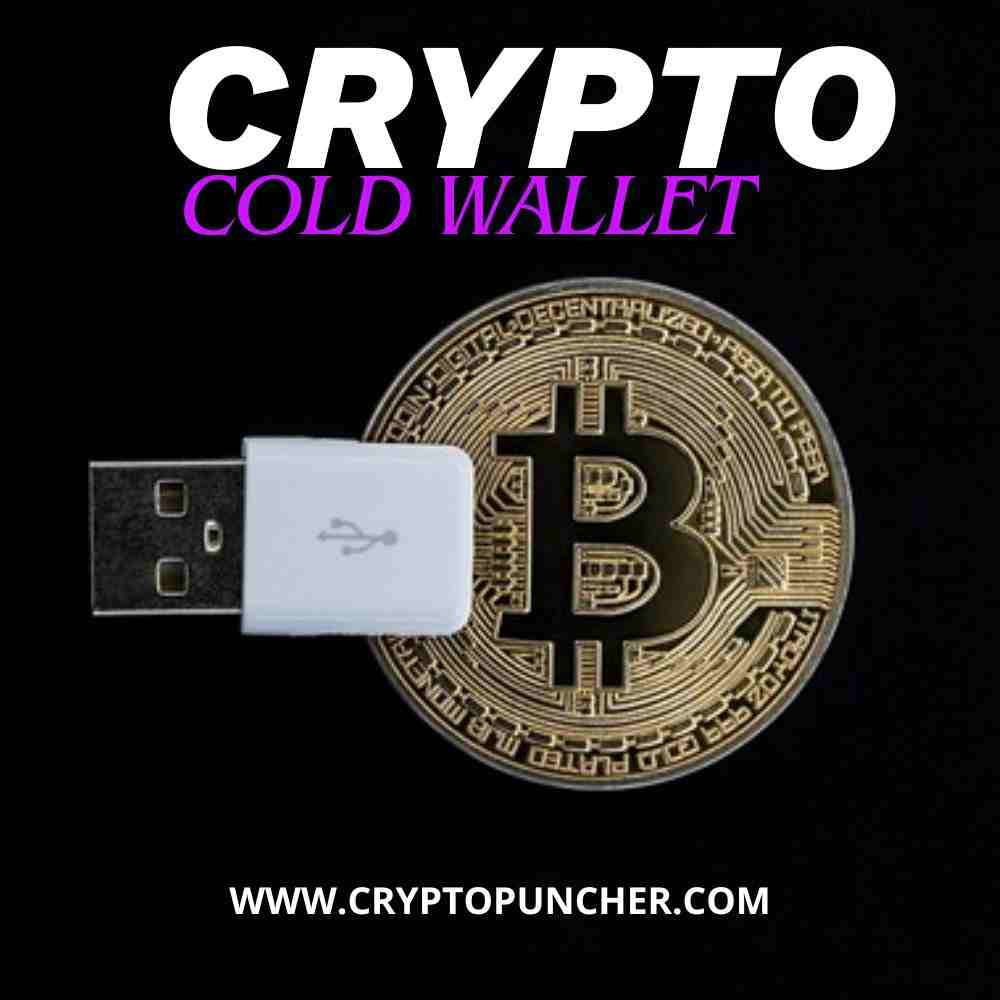
It stores your private keys on a physical device (like a USB stick) or even on a piece of paper away from hackers, malware, or phishing attacks.
Since there’s no active internet connection, it is almost impossible for a hacker to steal your coins remotely.
Think of a cold wallet as your private underground vault. It is invisible to the online world.
The Pros of Using a Cold Wallet
- Maximum Security
If your cold wallet is offline, hackers cannot reach it. It is like unplugging your cash register at night. - Great for Long-Term Holding
Planning to buy Bitcoin, hold for 5 years, and forget about it? A cold wallet is perfect for that. - Full Ownership
You are the sole keeper of your private keys, no third party involved.
The Cons of Using a Cold Wallet
- Costs Money
Most hardware wallets cost between ₦40,000–₦90,000 ($50–$100 USD), depending on the model. - Setup Can Feel Intimidating (At First)
There’s a bit more setup involved compared to installing a hot wallet app — but most manufacturers offer step-by-step guides. - If Lost or Damaged, Recovery Is Critical
If you lose your device AND your backup recovery phrase, your funds are permanently gone.
(But if you have your seed phrase, you can restore everything on a new device.)
Top Cold Wallets for Beginners in 2026
After testing multiple options myself, here are the safest beginner-friendly cold wallets:
| Cold Wallet | Best For | Features |
| Ledger Nano S Plus | Best Value | Affordable, supports 5,500+ coins |
| Ledger Nano X | Mobile-Friendly | Bluetooth support, easy app control |
| Trezor Model T | Premium Pick | Touchscreen, intuitive design |
| Bitkey | Simplest for Beginners | Launched by Block (formerly Square); mobile-focused cold storage |
All these wallets are widely recommended by crypto security experts and trusted by millions of users worldwide.
When Should You Get a Cold Wallet?
You should seriously consider moving to a cold wallet if:
- Your total crypto holdings are worth more than $500–$1,000
- You plan to hold your crypto long-term (more than 1 year)
- You want maximum protection from hacks, scams, and exchange collapses
In short:
Hot wallets are fine to get started.
Cold wallets are critical for serious crypto investors.
Hot Wallet vs. Cold Wallet: Which One Should You Choose?
By now, you know both hot wallets and cold wallets have their own strengths, but which one is right for you as a beginner in 2026?
Let’s make it super simple with a quick side-by-side comparison.
Quick Comparison Table
| Feature | Hot Wallet | Cold Wallet |
| Internet Connection | Always online | Completely offline |
| Ease of Use | Very easy (mobile apps, browser) | Moderate setup (hardware device) |
| Security Level | Moderate (good enough for small funds) | Maximum (ideal for large holdings) |
| Accessibility | Instant access from anywhere | Access requires physical device |
| Ideal For | Beginners, everyday transactions | Long-term storage, high-value assets |
| Cost | Free (usually) | ₦40,000+ or $50+ (hardware cost) |
| Risk If Lost | Recoverable via email (some apps) | Recoverable only with seed phrase |
How to Set Up Your First Crypto Wallet (Step-by-Step for Beginners)
Setting up a crypto wallet for the first time might sound intimidating, but trust me, if you can install an app on your phone, you can set up a wallet.
Here’s your simple, beginner-proof roadmap to get it done safely in 2026.
Step 1: Choose the Right Type of Wallet
- If you are just starting out, use a hot wallet like Trust Wallet or Coinbase Wallet, easy, free, mobile-friendly.
- If you are planning to hold ₦200,000+ ($400+) long-term, consider buying a cold wallet like Ledger Nano S Plus or Trezor Model One.
You’re not sure which one to start with?
Start with a hot wallet. Move to cold later when your portfolio grows.
Step 2: Download or Purchase From Official Sources Only
This is critical!
Only download wallet apps from:
- The official website (always double-check the URL).
- Verified App Stores (Apple App Store, Google Play Store)
Never download wallet apps from random ads, Twitter links, or Telegram groups.
Phishing apps are one of the top causes of wallet theft, according to a Chainalysis report.
Step 3: Install the Wallet and Create Your Account
After downloading:
- Open the app or unbox the hardware device.
- Click “Create New Wallet”.
- Follow on-screen instructions.
- Set a strong password (e.g., longer than 12 characters with letters, numbers, symbols).
Expert Tip: Use a password manager like 1Password or Bitwarden to generate and store strong passwords safely.
Step 4: Write Down Your Seed Phrase (And Guard It Like Treasure)
This is the most important part of crypto security.
- You will be given a 12–24 word recovery phrase (also called a seed phrase).
- Write it down physically (pen + paper), do not screenshot, text, email, or save it on your phone!
- Double-check every word.
- Store the paper securely, like in a safe, locked drawer, or waterproof bag.
Remember: If someone gets your seed phrase, they can steal your crypto. If you lose your seed phrase, you lose your wallet forever.
Step 5: Confirm Your Backup
Most wallets will ask you to re-enter your seed phrase to confirm you wrote it down correctly.
Do not skip this step, it’s your insurance.
Step 6: Test It With a Small Transaction
Before depositing large amounts:
- Try sending a tiny amount (e.g., ₦500 or $1 worth of crypto) to your new wallet.
- Verify that you can see the balance.
- Practice sending it back if you want.
This builds confidence, and helps you catch mistakes early.
Quick Wallet Setup Checklist
- Downloaded wallet from official source
- Created strong password
- Wrote down seed phrase securely
- Confirmed backup
- Tested with small transaction
Download Your Full Crypto Wallet Setup Checklist (PDF)
Why Backups Matter
Over 20% of all Bitcoin supply is permanently lost, mostly because users forgot or lost their seed phrases (Source: Chainalysis)
Do not let that happen to you.
Beginner Mistakes to Avoid When Using Crypto Wallets
Setting up your wallet is a huge step, but keeping your crypto safe over time depends on avoiding a few common (and costly) beginner mistakes.
Let’s go through them one by one, and I will show you how to stay protected.
Mistake #1: Saving Your Seed Phrase Online
You may feel tempted to just screenshot the seed phrase or save it in your email “for easy access.”
Please don’t it.
Online storage = hacker paradise.
A 2024 study by Chainalysis showed that stolen funds inflows nearly doubled from $857 million to $1.58 billion.
What to do instead:
- Write your seed phrase on paper.
- Store it physically in a locked, secure location.
- Make a second backup copy and keep it somewhere separate
Mistake #2: Using Wallet Apps From Unofficial Sources
Scammers create fake versions of popular wallets like MetaMask and Trust Wallet, and if you download a fake, you are giving them direct access to your crypto.
How to stay safe:
- Only download apps from the official website or verified App Stores.
- Double-check the app developer’s name.
Mistake #3: Ignoring Wallet Software Updates
Outdated wallet apps can have security holes.
How to fix it:
- Turn on automatic updates.
- Update your app or hardware firmware when notified.
Just like updating your phone protects you from hackers, keeping your wallet software current protects your funds.
Mistake #4: Sharing Sensitive Information (Even Accidentally)
Never, ever share ay of these with any one:
- Your seed phrase
- Private keys
- Wallet recovery info
Even if someone claims to be “wallet support” or “exchange admin.”
Golden Rule:
If someone asks for your seed phrase, they are scamming you,100% guaranteed.
Mistake #5: Sending Coins to the Wrong Address or Blockchain
Crypto transactions are irreversible.
If you send Bitcoin to an Ethereum address (or vice-versa), your funds are gone forever.
How to double-check:
- Confirm the receiving address matches the correct blockchain
- Send a small test transaction first if you are unsure
Mistake #6: Not Practicing Wallet Recovery
Most beginners never test wallet recovery until disaster strikes.
How to be prepared:
- Practice restoring your wallet using the seed phrase (on a spare device if possible).
- Make sure you fully understand the recovery steps before you need them.
Beginner Quick Recap: Wallet Safety Rules
- Never store your seed phrase online
- Download wallets only from official sources
- Update your wallet software regularly
- Keep your private keys private
- Double-check addresses before sending
- Practice wallet recovery early
Print this checklist. Tape it near your safe. Protect yourself like a pro.
What to Do Next: Store Your Crypto With Confidence
You have come so far, you now know:
- What crypto wallets actually are (and why they matter)
- The difference between hot and cold wallets
- How to set up your first wallet safely
- The biggest beginner mistakes to avoid
- How to own and control your crypto like a pro
Now, it’s time to take the next step and secure your crypto journey.
Download Your Free Crypto Wallet Setup Checklist (PDF)
This printable checklist includes:
- How to choose the right wallet
- Wallet security best practices
- Where and how to back up your seed phrase safely
- Common wallet mistakes to avoid
Take 2 seconds to grab it, and you will avoid 95% of beginner wallet errors.
→ Click here to download the checklist
Continue Your Crypto Journey Confidently
Explore our next beginner guides:
- How to Buy Your First Crypto in 2026 – step-by-step beginner buying guide
- Best Altcoins for Beginners in 2026 – discover top coins beyond Bitcoin
- Crypto Security Tips for Beginners – how to protect your investments
- The Ultimate Beginner’s Guide to Cryptocurrency – full roadmap to success
Bookmark these now, your future crypto self will thank you.
Remember:
In crypto, your greatest security is your knowledge.
Own your learning. Own your keys. Own your future.
You are already ahead of most beginners, keep going!
Frequently Asked Questions
Do I really need a wallet if I’m using an exchange like Binance or Roqqu?
Yes, exchanges provide temporary wallets.
But if you leave your crypto on an exchange, you do not truly own it.
As the saying goes in crypto:
“Not your keys, not your coins.”
If the exchange freezes accounts, gets hacked, or collapses (like FTX did in 2022), your crypto could be lost.
Solution: Always move serious holdings into a wallet you control, hot or cold.
What happens if I lose my phone or hardware wallet?
No need to panic, as long as you still have your seed phrase backup, you can recover your funds on a new device or app.
If you lose your device and your seed phrase, unfortunately, the funds are unrecoverable.
Solution: Store your seed phrase offline, in multiple secure locations (e.g., safe, safety deposit box).
Can I store multiple cryptocurrencies in one wallet?
Yes, most modern wallets, such as Trust Wallet and Ledger Nano, support thousands of coins and tokens across multiple blockchains.
Tip: Always double-check that your chosen wallet supports the specific coins you plan to hold.
Are hardware wallets worth it for beginners?
If your portfolio is small (less than ₦50,000–₦100,000 or $100–$200), a hot wallet is usually fine.
But once your portfolio grows, investing ₦40,000–₦90,000 ($50–$100) into a hardware wallet like Ledger is absolutely worth it for long-term peace of mind.
Think of it like buying a safe for your digital assets.
How much crypto should I keep in a hot wallet?
Only keep what you are willing to lose on hot wallets for daily use, just like carrying cash in your physical wallet.
Rule of Thumb:
Small amounts for trading, swapping, or paying.
Store the bulk in a cold wallet.
How do I know if a wallet app is safe?
Check if it is listed on the official website of the wallet provider.
Verify developer info in App Stores.
Read reviews carefully.
Look for multi-million user downloads and major crypto security endorsements.
Do You Have Any Question?
Drop them in the comment section. We’re here to help.
Do you want Personal help? Join our crypto community on Telegram and Facebook. Watch our tutorial on YouTube Crypto for Beginners.
If you find this article helpful, then please subscribe to our YouTube Channel for crypto and Web3 video tutorials. You can also follow or join our active communities on Telegram and Facebook.
Disclaimer
This article is for informational purposes only and does not constitute financial advice. Always do your own research and consult a certified financial professional before making investment decisions.